
Reading a cheese label: milk, age and what they tell you about the knife you need

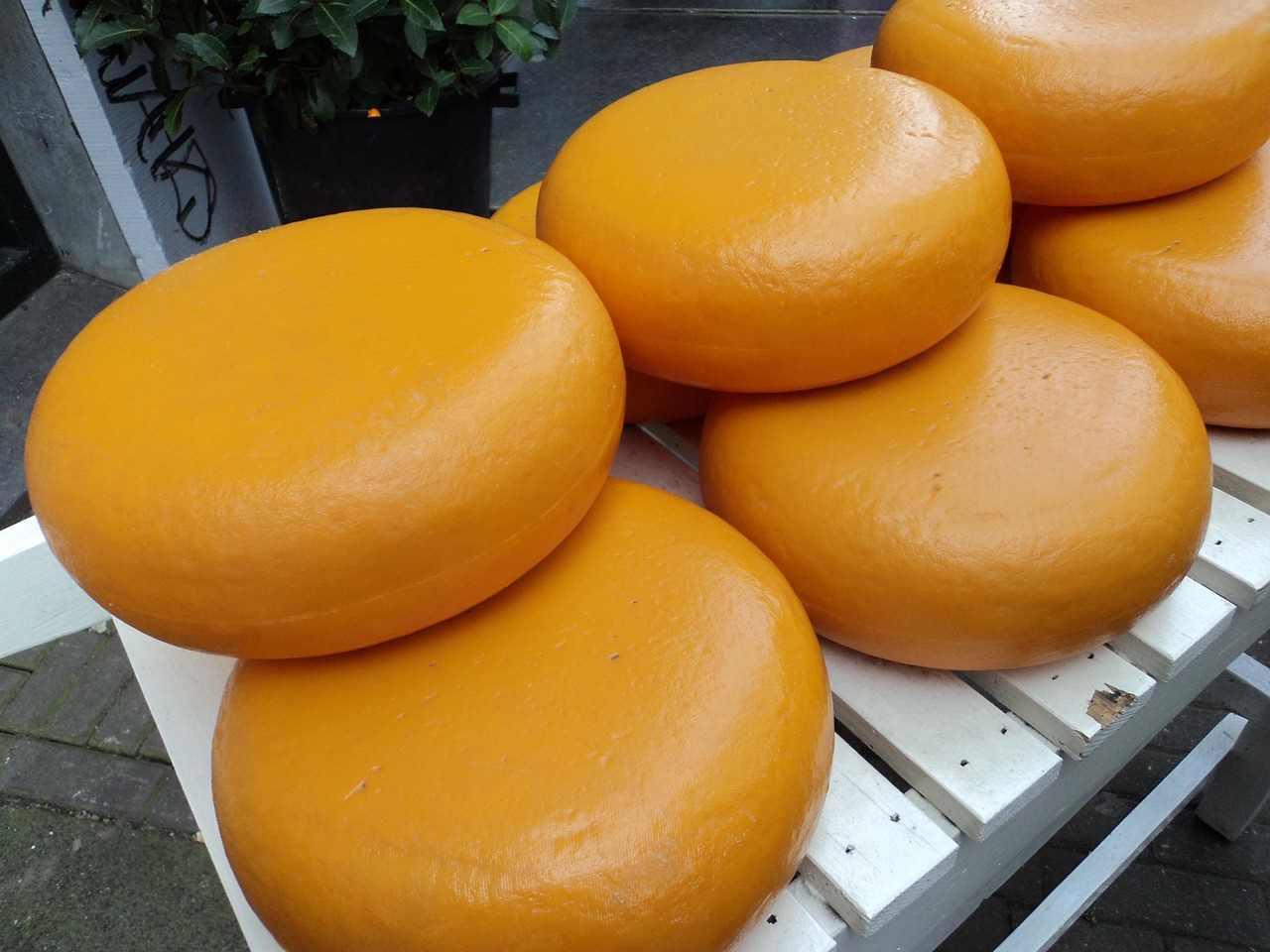
Understanding cheese labels can enhance your enjoyment of cheese, especially when pairing it with the right knife. The milk source and aging process significantly influence the cheese’s texture, flavor, and aroma. Each type of cheese requires a specific knife to serve it properly, ensuring you get the best tasting experience possible.
Different cheeses exhibit diverse characteristics based on their milk type and age. Fresh, soft-ripened, semi-hard, and hard cheeses each present unique textures that demand specific tools for cutting and serving. This guide will help you choose the right knife for the cheese you love.
Fresh Cheeses: Light and Creamy
Fresh cheeses, such as ricotta, mascarpone, and cream cheese, are typically soft and high in moisture. These cheeses are made from milk that hasn’t undergone aging, making them delicate and spreadable. A butter knife or a soft cheese knife is ideal for serving these products without damaging their texture.
When working with fresh cheeses, use gentle pressure to avoid squishing them. A knife with a serrated edge can also work well, allowing you to cut through the cheese without pulling or tearing. This preserves the creamy consistency that makes fresh cheese so enjoyable.
Soft-Ripened Cheeses: The Rich and Flavorful
Soft-ripened cheeses, such as Brie and Camembert, feature a creamy interior with a bloomy rind. These cheeses gain their unique texture from specific molds during the aging process. A cheese knife designed for soft cheeses, often with a wider blade, is suitable for serving these varieties.
The blade should be slightly curved to help scoop out wedges without creating a mess. When cutting, use a gentle sawing motion. This technique helps maintain the integrity of the cheese, allowing you to enjoy the rich flavors and smooth textures that soft-ripened cheeses offer.
Semi-Hard Cheeses: Versatile and Robust
Semi-hard cheeses like Gouda and Cheddar are firmer than soft cheeses but still have some moisture content. These cheeses can be sliced or cubed easily. A cheese knife with a straight blade or a wire cutter is ideal for these varieties, providing clean cuts without crumbling.
When slicing semi-hard cheeses, a little pressure is necessary, but avoid using too much force, which can lead to uneven cuts. If you are serving a cheese board, consider using a cheese plane. This tool creates thin, uniform slices, perfect for sharing and pairing with accompaniments like crackers and fruits.
Hard Cheeses: Dense and Aged
Hard cheeses, such as Parmigiano-Reggiano and Pecorino Romano, are aged for a longer period, resulting in a dense texture and intense flavor. A sturdy cheese knife or a cleaver is essential for cutting hard cheeses. These tools can handle the firmness of the cheese and create clean, manageable pieces.
When working with hard cheeses, use a firm, downward motion to break off chunks. You may also want to use a cheese grater for adding hard cheese to dishes, enhancing flavors without needing to cut large pieces. The right knife makes it easier to enjoy these robust cheeses in your meals.
Choosing the Right Knife: A Quick Guide
Here is a quick overview of which knives work best with different cheese types:
- Fresh Cheeses: Soft cheese knife or butter knife
- Soft-Ripened Cheeses: Cheese knife with a wider blade
- Semi-Hard Cheeses: Straight blade knife or wire cutter
- Hard Cheeses: Sturdy cheese knife or cleaver
Knife Maintenance: Keeping Your Tools Sharp
Proper care of your cheese knives is crucial for maintaining their effectiveness. Regular cleaning after each use prevents residue buildup, which can affect taste. Hand washing is generally recommended to preserve the knife’s edge and finish.
It’s also essential to store knives properly. Consider a knife block or a designated drawer to protect blades from damage. Keeping your knives sharp will ensure the best performance and longevity, allowing you to enjoy your cheese experience fully.
Serving Suggestions: Pairing Cheese with the Right Accompaniments
Pairing cheese with the right accompaniments can elevate your tasting experience. Consider serving fresh cheeses with fruits and honey, while soft-ripened varieties pair beautifully with crusty bread and jams. Semi-hard cheeses work well with nuts and charcuterie.
For hard cheeses, consider pairing them with robust wines or aged balsamic vinegar. Each pairing enhances the flavors of the cheese and provides a delightful balance on your cheese board. The right knife makes it easier to serve these combinations, ensuring everyone can enjoy a taste.
Exploring New Cheeses: Expand Your Palette
Don’t hesitate to explore different cheese varieties. Trying new flavors and textures can be a rewarding experience. Each cheese comes with its own unique characteristics that can inspire creativity in your cheese boards and gatherings.
When experimenting with unfamiliar cheeses, take note of their labels and characteristics. This knowledge will help you choose the right knife for each type, ensuring that you get the most out of every bite. Enjoying cheese is about discovery, and the right tools enhance that journey.
The short version
Understanding the milk source and aging of cheese can guide you in selecting the appropriate knife. Fresh and soft-ripened cheeses require softer knives, while semi-hard and hard cheeses benefit from sturdier tools. Proper knife maintenance and pairing cheese with the right accompaniments enhance your overall experience, allowing you to savor every flavor.
Where to go next
Everything discussed here lives in Cheese Knife Sets. If you are weighing two options and cannot decide, the answers page covers the questions we get asked most, and a message reaches the people who pack the orders.
From that section
- Hushee 44-Piece Stainless Steel Cheese Knife Set with Acacia Holder
- ICOSA Living Lunar 6-Piece Stainless Steel Cheese Knife Set
- KT-GARY 6-Piece Stainless Steel Cheese Knife Set with Wood Handles