
How to build a cheese board that people actually finish

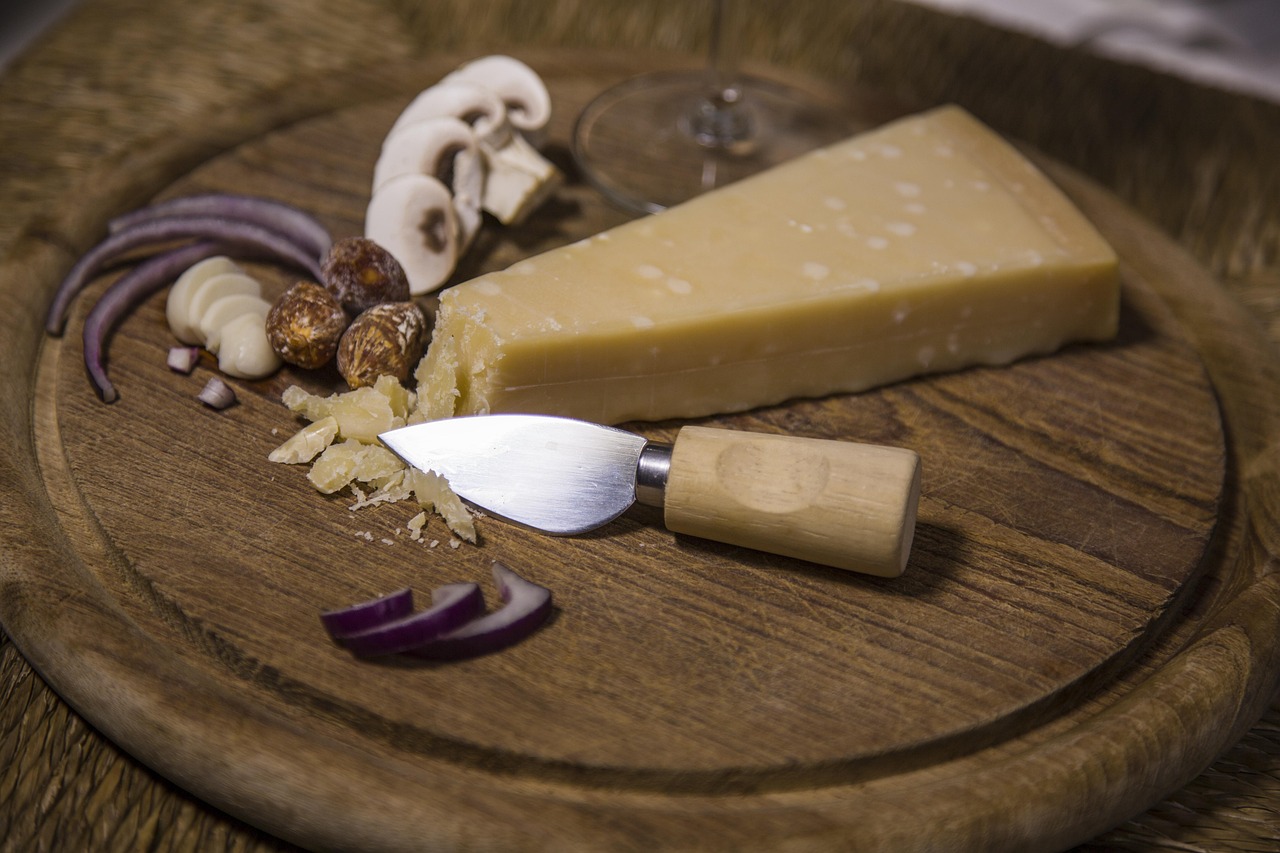
Creating a cheese board that guests will enjoy until the last crumb requires a thoughtful approach to selection and presentation. The right balance of flavors, textures, and colors can elevate your gathering and leave your guests satisfied. Here’s how to build a cheese board that people actually finish.
Understanding the right quantities and combinations is key. A well-constructed cheese board not only looks appealing but also invites guests to indulge. Let’s explore how to curate an impressive cheese board that will have everyone coming back for more.
Determine the Right Quantities
When planning your cheese board, consider the number of guests. A general rule is to allocate about 2 to 4 ounces of cheese per person, depending on whether you’re serving it as an appetizer or the main attraction. For a gathering of eight, aim for a total of 16 to 32 ounces of cheese to ensure everyone has enough to enjoy.
Along with cheese, think about including meats, fruits, and accompaniments. If you are serving charcuterie alongside the cheese, plan for about 1 to 2 ounces of meat per person. This balance will create a satisfying experience without overwhelming your guests.
Choosing the Right Cheeses
Variety is essential when selecting cheeses for your board. Aim for three to five different cheeses to create a diverse tasting experience. Include a mix of textures and flavors, such as a soft cheese like Brie, a sharp cheese like aged Cheddar, and a blue cheese for a bolder taste.
Consider the milk type as well: cow, goat, or sheep. Each brings unique characteristics to the board. Offering a well-rounded selection will cater to different palates and keep the tasting experience engaging.
Complementary Pairings
Cheese boards thrive on complementary pairings that enhance the cheese flavors. Fruits, nuts, and spreads can elevate your board and provide contrast. Fresh fruits like grapes or figs add sweetness, while nuts contribute crunch and richness.
Include items like honey, jams, or chutneys to offer a sweet counterpoint to the savory cheeses. These accompaniments not only add flavor but also visual appeal, making the board more inviting.
Arranging Your Cheese Board
The arrangement of your cheese board can significantly impact its appeal. Start by placing the cheeses first, spacing them out evenly. This allows guests to easily access each variety without crowding.
Next, fill in the spaces with meats, fruits, and accompaniments. Use small bowls for dips or spreads to keep the board tidy. Consider color and texture when arranging the items to create an aesthetically pleasing display that encourages sampling.
Serving Cheese at the Right Temperature
For the best flavor and texture, serve cheese at room temperature. Remove cheeses from the refrigerator at least 30 minutes before serving. This allows them to soften and develop their full flavors, making them more enjoyable.
For harder cheeses, a little extra time can enhance their taste. A soft cheese like Brie can become creamy, while a sharp Cheddar will exhibit its full richness when served warm. Timing is key to maximizing the cheese experience.
Incorporating Seasonal Ingredients
Seasonal ingredients can add a fresh twist to your cheese board. In the summer, consider incorporating fresh berries or stone fruits, while fall is perfect for apples, pears, and nuts. These seasonal elements not only enhance flavor but also add visual interest.
Think about the holidays too. For a winter gathering, add cranberries or spiced nuts. Tailoring your cheese board to the season keeps it relevant and exciting for your guests.
Utilizing Unique Serving Tools
Investing in quality serving tools can enhance your cheese board experience. Use a variety of cheese knives, each designed for different types of cheese. A soft cheese knife will make it easier to slice through Brie, while a sturdy cheddar knife is perfect for harder cheeses.
Consider using small serving boards or slate tiles for a rustic touch. These tools not only serve a functional purpose but also contribute to the overall presentation of your cheese board.
The Importance of Labeling
Labeling the different cheeses and accompaniments can enrich the guest experience. Use small tags or cards to identify each item, including the type of cheese and its flavor profile. This is especially helpful for guests who may have dietary restrictions or specific preferences.
Labeling not only educates your guests but also encourages them to explore and try combinations they may not have considered. It adds an interactive element to your cheese board, making it more engaging.
The short version
Building a cheese board that people will finish involves careful planning and presentation. Aim for 2 to 4 ounces of cheese per person, choose a mix of textures and flavors, and complement with fruits and spreads. Arrange items thoughtfully, serve at room temperature, and consider seasonal ingredients. Enhance the experience with quality tools and labels to guide your guests.
Determining the Right Quantities and Arrangement
When crafting a memorable cheese board, consider offering a selection of three to five distinct cheeses. This variety allows guests to explore different flavors without overwhelming their palates. Pair each cheese with complementary accompaniments, such as fruits, nuts, or spreads, to enhance the tasting experience. Aim for a balanced assortment that caters to different tastes and textures.
For optimal presentation, arrange cheeses from mild to strong, ensuring an inviting flow. Position hard cheeses next to softer options, and use small bowls for dips or jams to create visual interest. Fill gaps with crackers, bread, or vegetables, and don’t forget to include cheese knives and charcuterie tools to encourage sharing and enjoyment. This thoughtful arrangement will entice your guests to indulge fully.
Where to go next
Everything discussed here lives in Charcuterie Boards. If you are weighing two options and cannot decide, the answers page covers the questions we get asked most, and a message reaches the people who pack the orders.