
Caring for an acacia or bamboo board so it lasts years

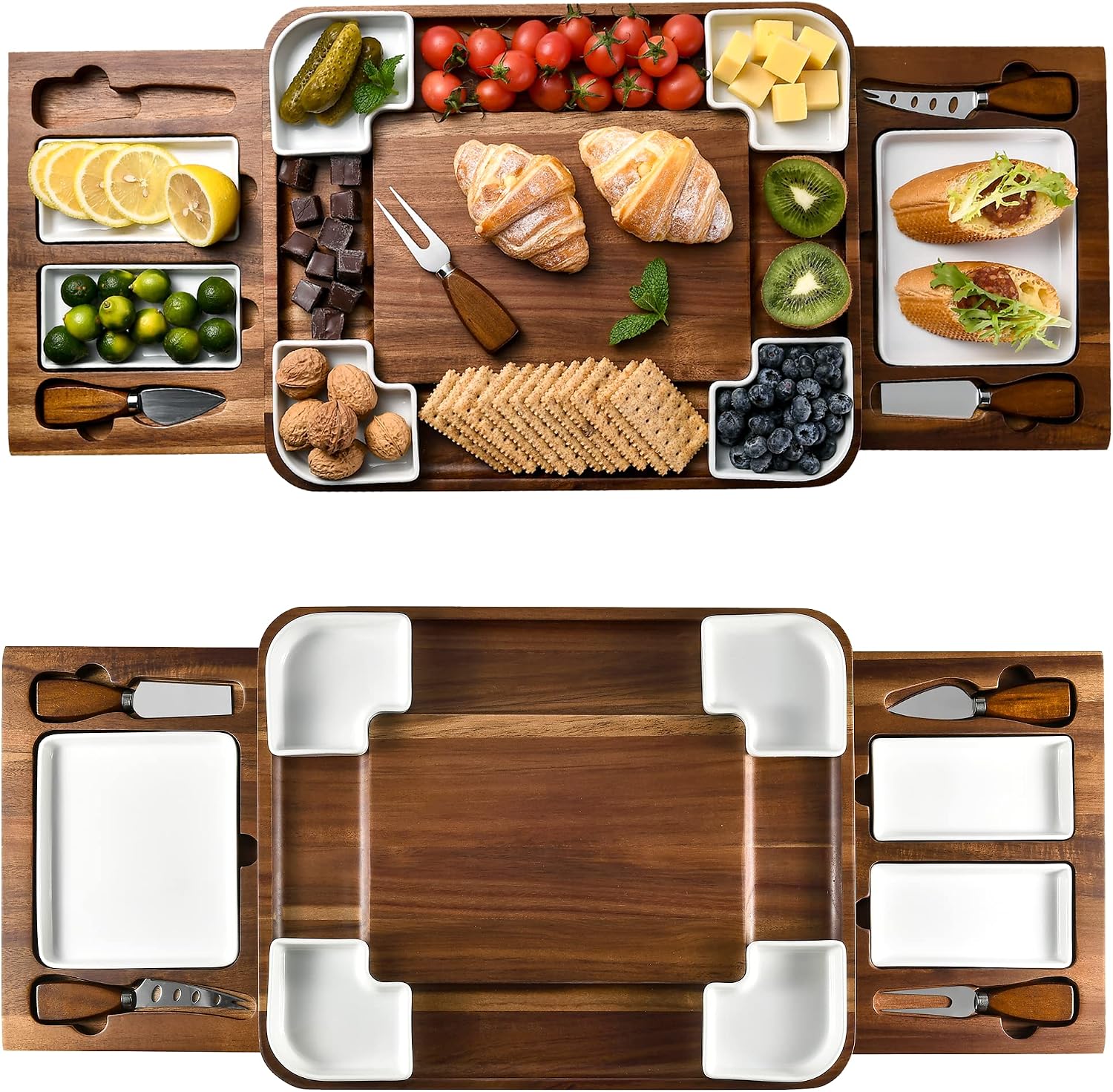
Taking care of your acacia or bamboo cheese board is essential to ensure it remains beautiful and functional for years to come. These natural materials offer durability and a unique aesthetic but require proper maintenance to prevent damage. This guide outlines the key practices for maintaining your charcuterie board in top condition.
Hand washing, drying, and regular oiling are crucial steps in the care routine. Additionally, understanding the factors that can lead to splitting will help prolong the life of your board. Follow these guidelines to keep your cheese board looking and performing its best.
Hand Washing is Key
Always hand wash your cheese board with warm, soapy water. Avoid soaking the board, as prolonged exposure to water can lead to warping and splitting. Use a soft sponge or cloth to gently scrub the surface, ensuring you remove any food particles without scratching the wood.
Once cleaned, rinse the board thoroughly to eliminate any soap residue. This helps maintain the natural finish and prevents any unwanted taste from lingering on the board. A careful approach during cleaning is essential to preserve the integrity of the wood.
Drying Upright
After washing, it’s important to dry your cheese board properly. Place the board upright in a well-ventilated area. This allows air to circulate around the board, preventing moisture buildup that can lead to mold or warping. Avoid laying it flat, as this can trap moisture on one side.
Ensure the board is completely dry before storing it. Leaving it damp can cause the wood to swell and crack. A few hours of upright drying usually suffices, but make it a habit to check for any remaining moisture.
Oiling Intervals
Regularly oiling your acacia or bamboo board is essential to keep it hydrated and prevent drying out, which can lead to cracks. Use a food-safe mineral oil or a specialized wood conditioner. Apply the oil generously, allowing it to soak into the wood’s grain for maximum protection.
As a general rule, oil your board every few weeks or whenever it appears dry. Factors such as humidity and frequency of use will affect how often you need to oil it. Look for signs of dullness or roughness, which indicate that it’s time for a refreshing oil treatment.
Two Things That Split a Board
Two common culprits can cause splitting in your cheese board: extreme temperature fluctuations and inadequate moisture. Placing a board in direct sunlight or near heat sources can cause the wood to expand and contract rapidly, leading to cracks.
Similarly, allowing your board to dry out too much can make it brittle and prone to splitting. Always maintain a balance between moisture and dryness to keep the wood stable. Understanding these factors can help you take proactive steps in your board’s care.
Avoiding the Dishwasher
Never place your cheese board in the dishwasher. The high temperatures and harsh detergents used in dishwashers can strip away the natural oils and finishes applied to the surface. This not only damages the board but can also lead to a shorter lifespan.
The prolonged exposure to water in the dishwasher can also cause warping. Always stick to hand washing to maintain the integrity of your board. This simple practice can significantly extend the life of your cheese board.
Storing Your Board
Proper storage is essential to keep your cheese board in good condition. Store it in a dry, cool place away from direct sunlight. If possible, keep it upright or on a dedicated shelf to avoid any pressure that could cause warping.
Avoid stacking heavy objects on top of your board, as this can lead to unnecessary weight and potential damage. Treat your board with care, and it will serve you well for many gatherings to come.
Preventing Scratches
To prevent scratches on your cheese board, always use a proper cutting surface when slicing or preparing food. Avoid cutting directly on the board with knives, as this can lead to deep grooves and damage the wood.
Instead, use a separate cutting board for preparation and reserve your charcuterie board for serving. This practice not only protects the board but also enhances the presentation of your cheeses and meats.
Restoring Your Board
If your cheese board has seen better days and shows signs of wear, consider a restoration process. Start by cleaning and sanding the surface lightly to remove any marks or scratches. Use fine-grit sandpaper to achieve a smooth finish.
After sanding, wash and dry the board thoroughly, then reapply food-safe mineral oil to restore moisture and protect the wood. This process can revitalize your board and extend its life for future use.
The Short Version
To care for your acacia or bamboo cheese board, hand wash it, dry it upright, and oil it regularly. Avoid dishwashers, extreme temperatures, and improper storage to prevent splitting and damage. By following these simple practices, your cheese board will remain a beautiful centerpiece for your gatherings for many years.
Where to go next
Everything discussed here lives in Charcuterie Boards. If you are weighing two options and cannot decide, the answers page covers the questions we get asked most, and a message reaches the people who pack the orders.
From that section
- Shanik Square Acacia Wood Charcuterie Board Set with 3 Ceramic Plates & 4 Utensils
- Rocirlab Bamboo Charcuterie Board & Knife Set – 2 Piece