
Which cheese knife does what, and why three is usually enough

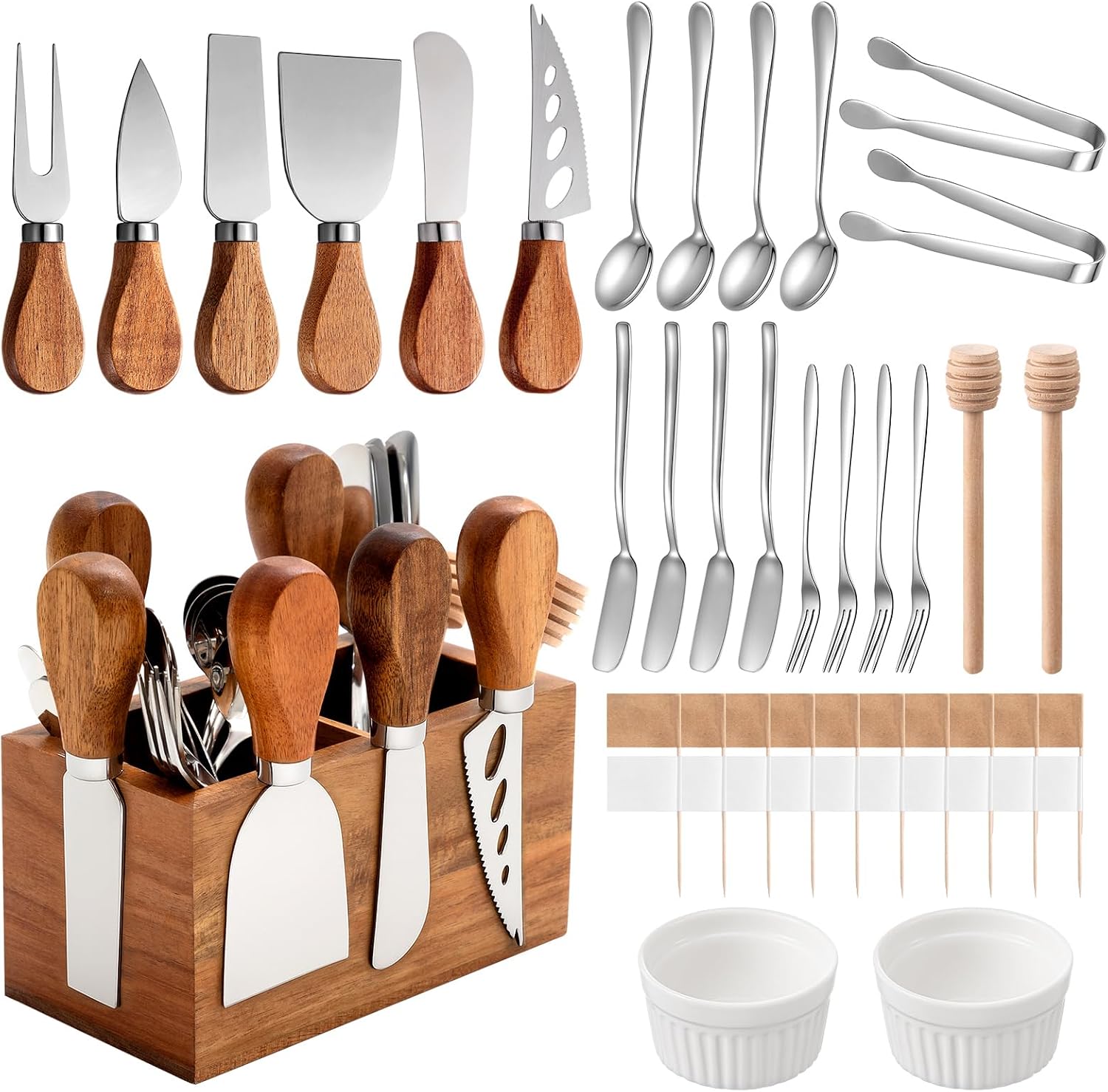
When it comes to creating the perfect cheese board, having the right tools can make all the difference. Many people might assume that a comprehensive set of cheese knives is necessary, but in reality, three specific types of knives can cover most cheese serving needs effectively. Understanding the function of each knife will help you choose wisely and avoid the trap of an overwhelming nine-piece set.
The three essential cheese knives you should consider are the open-work blade, the hard-cheese plane, and the soft spreader. Each serves a distinct purpose and ensures that you can present and serve a variety of cheeses to suit your guests’ palates.
Open-Work Blade
The open-work blade features cutouts along the sides, which help reduce friction when slicing through soft and semi-soft cheeses. This design prevents the cheese from sticking to the knife, allowing for clean, even slices. If you enjoy cheeses like Brie or Camembert, this knife is a must-have.
Using an open-work blade not only enhances presentation but also ensures that every slice maintains its shape. When serving cheese at a gathering, this knife allows for a seamless experience, ensuring that your guests can enjoy their cheese without the frustration of torn pieces.
Hard-Cheese Plane
The hard-cheese plane is specifically designed for firmer cheeses like Parmigiano-Reggiano and aged Gouda. With its angled blade, it allows you to shave off thin, delicate slices or larger chunks, depending on your serving style. This versatility is particularly beneficial for creating a variety of textures on your cheese board.
This knife’s design also ensures that you can easily manage the density of hard cheeses. By creating thin slices, you enhance the flavor experience, allowing guests to enjoy the nuances of aged cheeses without overwhelming their palate. A hard-cheese plane is an essential addition to any cheese lover’s toolkit.
Soft Spreader
The soft spreader is perfect for cheeses that are soft enough to be spread rather than sliced. Cheeses like goat cheese, mascarpone, or any cream cheese variant benefit greatly from this tool. Its wide, flat blade makes it easy to spread the cheese on crackers or bread without tearing them apart.
Using a soft spreader allows for a more enjoyable tasting experience, as it facilitates the creation of cheese spreads that can be paired with various accompaniments. This knife ensures that you can serve soft cheeses in a manner that is accessible and appealing to all your guests.
The Mistake of Buying a Nine-Piece Set
Many retailers offer extensive cheese knife sets that can overwhelm new cheese enthusiasts. These sets often include knives designed for very specific purposes, which can lead to confusion and underutilization. Opting for a nine-piece set might seem appealing, but it often results in unnecessary clutter.
Instead of purchasing a large set, focus on the three essential knives that will serve most of your needs. This approach not only simplifies your cheese serving experience but also allows you to invest in higher-quality knives that will last longer and perform better than those typically included in larger sets.
Maintaining Your Cheese Knives
<pTo ensure the longevity and performance of your cheese knives, proper maintenance is crucial. Regularly washing them by hand with mild soap and warm water is recommended, as this prevents damage that can occur in a dishwasher. Always dry them thoroughly to avoid rust and maintain their sharpness.
Additionally, storing your cheese knives in a designated block or drawer helps protect the blades from nicks and scratches. Keeping them organized ensures that you can easily access the right knife when you need it, enhancing your overall cheese serving experience.
Choosing Quality Over Quantity
When selecting cheese knives, prioritize quality over quantity. A well-made knife not only performs better but also feels good in your hand. Look for knives with comfortable grips and sturdy blades that can withstand regular use. Investing in a small number of high-quality knives will pay off in the long run.
By focusing on fewer, high-quality tools, you can elevate your cheese serving skills and impress your guests. Quality knives will enhance your ability to create beautiful cheese boards, making the experience enjoyable for everyone involved.
Pairing Your Knives with Cheese
Each cheese knife is designed to highlight the unique characteristics of different cheeses. Understanding which knife to use with each cheese type can elevate your cheese board presentation. Pairing the right knife with the right cheese enhances the flavor and texture experience for your guests.
Consider serving a selection of cheeses that complement each other, such as a soft cheese with the spreader, a hard cheese with the plane, and a semi-soft cheese with the open-work blade. This variety not only showcases your cheese selection but also allows guests to explore different flavors and textures.
The Short Version
For an effective cheese serving experience, focus on three essential knives: the open-work blade, the hard-cheese plane, and the soft spreader. Avoid overwhelming sets and invest in quality tools that serve specific purposes. Maintaining and pairing your knives correctly will enhance your cheese board and impress your guests.
Where to go next
Everything discussed here lives in Cheese Knife Sets. If you are weighing two options and cannot decide, the answers page covers the questions we get asked most, and a message reaches the people who pack the orders.
From that section
- Hushee 44-Piece Stainless Steel Cheese Knife Set with Acacia Holder
- ICOSA Living Lunar 6-Piece Stainless Steel Cheese Knife Set
- KT-GARY 6-Piece Stainless Steel Cheese Knife Set with Wood Handles